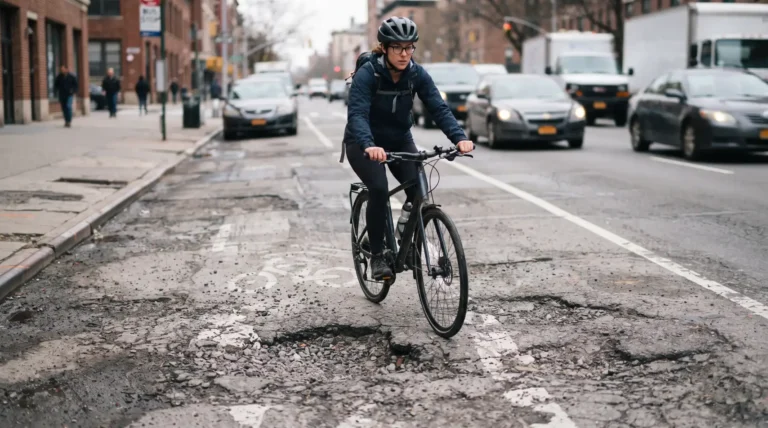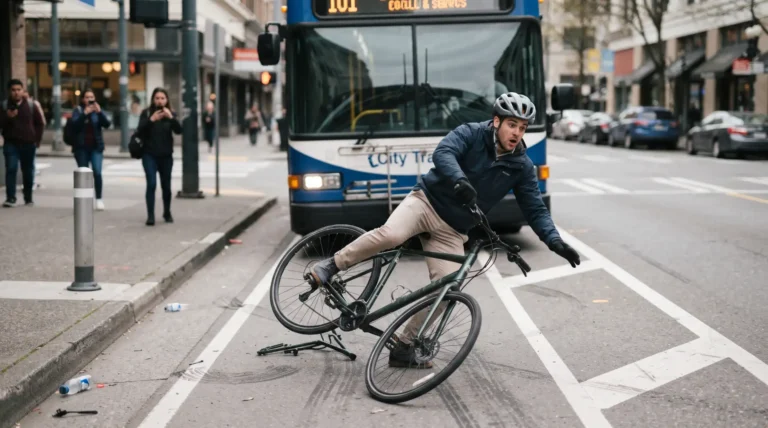
E-bikes are now part of everyday traffic across California. Riders use them for commuting, short trips, and recreation. As their popularity grows, so does the number of accidents involving them. This shift is changing how bicycle accident claims work in 2026.
California introduced a new visibility rule that directly affects e-bike riders. All e-bikes must now use a rear red reflector or a rear red light with a built-in reflector at all times. This applies during both daytime and nighttime riding. The goal is simple: improve visibility and reduce accidents.
However, this rule also affects what happens after a crash. Insurance companies now look closely at whether a rider followed this requirement. If the rider did not, insurers may try to shift part of the blame. This does not mean the rider caused the accident. It means the claim becomes harder to defend without strong evidence.
This issue connects with key topics already covered on this site, such as biker bias, evidence collection, and proving liability. The 2026 law adds a new layer to these existing legal challenges.
Why the new California e-bike visibility rule matters after a crash
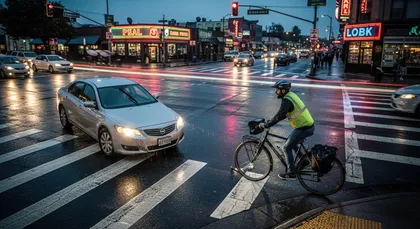
The 2026 visibility law changes how fault is argued. Once a rule becomes part of the law, insurance companies use it in every possible way. They examine whether the rider followed the rule and how that may have affected the crash.
What the 2026 law requires
California law now requires every e-bike to have a rear red reflector or a rear red light with a built-in reflector. This must be present at all times, regardless of lighting conditions. The requirement focuses on making riders visible from behind in all situations.
Why insurers focus on visibility
After a crash, insurers often start by questioning visibility. They may argue the driver could not see the cyclist in time to react. This argument appears often in rear-end collisions and turning accidents.
Why drivers still have a legal duty
Drivers must remain alert at all times. They must check mirrors, observe traffic, and yield when necessary. A missing reflector does not remove these responsibilities. The driver’s behavior still plays the main role in determining fault.
This is where many claims become difficult. Insurers try to simplify the situation. They focus on one issue, such as visibility, and ignore the full context of the crash. A strong claim must show the entire sequence of events.
Why e-bike crashes create more legal disputes
E-bikes move faster than standard bicycles. This changes how drivers react. Many drivers expect cyclists to move slowly. When an e-bike approaches faster, drivers misjudge distance and timing.
This leads to common accident scenarios. These include left-turn collisions, right-hook crashes, and sudden lane entries. Drivers often claim the cyclist appeared suddenly. In reality, they failed to properly check traffic conditions.
This issue ties directly into cyclist bias. Insurance companies often assume riders behave unpredictably. That assumption becomes stronger when e-bikes are involved. For more details, see why insurers blame cyclists.
Understanding this bias is important because it affects how claims are handled. A rider may have followed the rules, but still face unfair assumptions during the claims process.
How to build a strong California e-bike accident claim in 2026
Building a strong claim requires preparation and fast action. Evidence plays a central role in proving what happened. Without proper documentation, insurers can reshape the story in their favor.
What evidence matters most
The first step is documenting the accident scene. Take clear photos from different angles. Capture the roadway, traffic signals, signs, and vehicle positions. Include both wide and close-up shots.
Photos and video can protect your claim
Visual evidence provides clarity. It shows how the accident occurred and whether the rider was visible. Dashcam footage, CCTV recordings, and helmet cameras can be especially valuable.
Medical records support injury claims
Seek medical attention as soon as possible. Some injuries do not appear immediately. Medical records create a direct link between the crash and the injuries.
E-bike accidents can cause serious harm. Common injuries include fractures, head trauma, spinal injuries, and soft tissue damage. Recovery can take time, and some injuries lead to long-term complications.
To strengthen your case, review how to gather evidence and how to prove liability.
How insurance companies try to reduce compensation
Insurance companies aim to minimize payouts. They analyze every detail of the crash. They look for any reason to assign partial blame to the rider.
Visibility is now one of their main arguments. If the rider lacked proper lighting or reflectors, insurers may claim reduced visibility contributed to the accident. This allows them to lower the settlement.
Adjusters often ask questions designed to create doubt. They may encourage statements that suggest uncertainty. Riders should be cautious when speaking with insurers.
Learn more in how a lawyer helps with insurance claims.
Helmet use may also become part of the discussion. Insurers may argue injuries were worse due to lack of protection. While this may affect compensation, it does not always affect fault. For more information, read the role of helmets in bicycle accidents.
What compensation may include

Compensation depends on the severity of the injuries and the facts of the case. A successful claim may include medical expenses, lost income, and pain and suffering.
Some cases also include future medical care and reduced earning capacity. Long-term injuries can significantly affect quality of life.
California follows comparative fault rules. This means a rider can still recover damages even if partially at fault. However, the total compensation will be reduced based on that percentage.
This is why visibility issues matter so much in 2026. Insurers use them to reduce payouts rather than deny claims completely.
For a detailed explanation, visit what damages you can claim.
For official safety guidance, refer to the
California Highway Patrol
and
NHTSA.
The bottom line is clear. California e-bike accident claims are more complex in 2026. The new visibility law gives insurers another angle, but it does not remove driver responsibility.
If an accident occurs, act immediately. Take photos, preserve evidence, gather witness information, and seek medical care. Strong documentation protects your claim and prevents insurers from rewriting what happened.