Electric scooters, electric bicycles, and traditional bicycles have transformed the way people travel throughout the United States. These transportation options provide affordable, convenient, and environmentally friendly alternatives to driving. However, as their popularity increases, so do accidents involving riders, pedestrians, and motor vehicles.
Although electric scooters, e-bikes, and bicycles may appear similar from a legal perspective, injury claims involving these vehicles can involve different liability issues, insurance questions, and legal challenges. The type of vehicle involved may affect how an accident is investigated, who may be responsible, and what compensation may be available.
Understanding the differences between electric scooter, e-bike, and bicycle accident claims can help injured riders understand their legal options after a crash.
Why Electric Scooter, E-Bike, and Bicycle Accidents Are Different
All three types of transportation share similar risks. Riders have limited physical protection compared with people inside passenger vehicles, meaning collisions can result in severe injuries even at moderate speeds.
However, the circumstances surrounding each accident can vary significantly.
Traditional bicycles depend entirely on human power. Liability disputes often focus on driver negligence, unsafe road conditions, bicycle right-of-way violations, or cyclist behavior.
Electric bicycles combine traditional cycling with motor assistance. Because e-bikes can travel at higher speeds than standard bicycles, questions about classification, speed limits, equipment requirements, and rider responsibilities may become important.
Electric scooters often involve rental companies, app-based services, sidewalk or roadway use issues, and questions about maintenance responsibility.
These differences can influence how an injury claim is evaluated.
Bicycle Accident Claims and Liability Issues
Traditional bicycle accidents are among the most common types of cycling-related injury claims. In many cases, these accidents involve collisions between cyclists and motor vehicles.
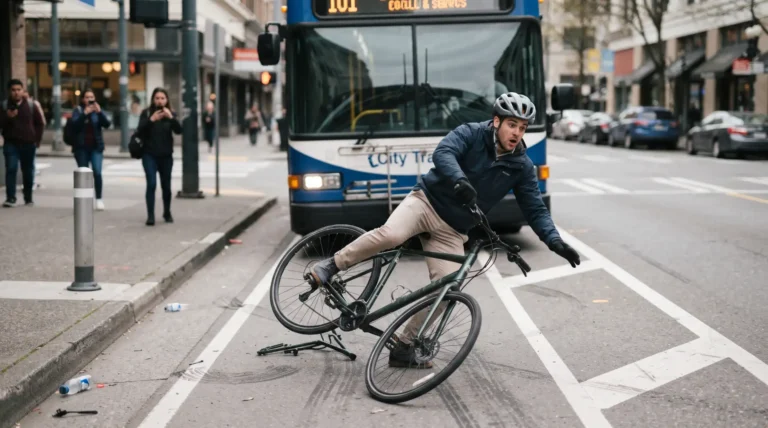
Drivers may fail to yield, follow too closely, open vehicle doors into a cyclist’s path, make unsafe turns, or become distracted behind the wheel. Because bicycles provide little protection, even a low-speed collision can cause serious injuries.
A bicycle accident claim generally requires proving that another party acted negligently. This may involve showing that a driver failed to use reasonable care and that this failure caused the cyclist’s injuries.
Evidence may include:
- Police reports
- Traffic camera footage
- Witness statements
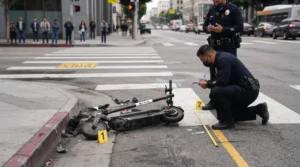
- Photographs from the accident scene
- Medical records
- Vehicle damage documentation
- Accident reconstruction analysis
California follows a pure comparative negligence system, meaning an injured cyclist may still recover compensation even if they are partially responsible for an accident. However, the amount recovered may be reduced by the cyclist’s percentage of fault.
For example, if a cyclist is found to be 20% responsible for a crash, their compensation may be reduced by 20%.
Source: California comparative negligence principles were established in Li v. Yellow Cab Co. (1975).
Electric Bicycle Accident Claims
Electric bicycles have created new legal questions because they combine bicycle features with motorized assistance.
Unlike traditional bicycles, e-bikes use electric motors that help riders travel faster and with less physical effort. In California, electric bicycles are generally classified based on motor power and maximum assisted speed.
The classification of an e-bike can become important after an accident. Investigators may examine:
- The type of e-bike involved
- Motor specifications
- Maximum speed capability
- Whether safety requirements were followed
- Whether modifications increased performance
A collision involving a legally operated e-bike may be handled similarly to a bicycle accident. However, if the e-bike has been modified beyond legal limits, opposing parties or insurance companies may attempt to argue that the rider contributed to the accident.
For injured e-bike riders, documentation can become especially important. Keeping records of the bike’s manufacturer specifications, maintenance history, and purchase information may help establish how the vehicle was designed to operate.
The California Department of Motor Vehicles provides information about electric bicycle classifications and requirements:
https://www.dmv.ca.gov/portal/vehicle-registration/new-registration/register-an-electric-motorcycle/
Electric Scooter Accident Claims
Electric scooter accidents can involve additional legal complications because many scooters are part of rental programs operated by companies such as shared mobility providers.
A scooter accident claim may involve several potential parties, including:
- A negligent vehicle driver
- Another road user
- A scooter company
- A property owner
- A municipality responsible for dangerous roadway conditions
For example, if a scooter rider crashes because of a defective brake system, poor maintenance, or mechanical failure, responsibility may extend beyond another driver.
Electric scooter accidents may also involve unique circumstances such as:
- Sidewalk collisions
- Defective scooter components
- Poorly maintained streets
- Unsafe parking locations
- Rental company maintenance records
Because many rental scooters are connected to mobile applications, digital evidence may also become relevant. Information such as ride records, maintenance history, and company safety reports may help determine what happened.
Differences in Insurance Coverage
Insurance coverage is one of the biggest differences between these accident types.
Traditional bicycle accidents often involve claims against a negligent driver’s automobile insurance policy. If a motorist causes a collision, the cyclist may seek compensation through the driver’s liability coverage.
In some situations, a cyclist’s own insurance policies may also provide protection. For example, certain homeowners or renters insurance policies may provide limited coverage depending on the circumstances.
Electric bicycle and scooter claims may require additional investigation because coverage depends on the situation.
Potential sources of compensation may include:
- The negligent driver’s auto insurance
- A rider’s uninsured motorist coverage
- Rental company insurance programs
- Product liability claims
- Property owner insurance
- Government claims for dangerous roadway conditions
Insurance companies may attempt to minimize payouts by arguing that the rider was responsible, the injuries were unrelated, or damages are lower than claimed.
Common Injuries in Scooter, E-Bike, and Bicycle Accidents
Regardless of the vehicle type, riders can suffer serious injuries because they lack the protection provided by passenger vehicles.
Common injuries include:
Traumatic Brain Injuries
Head injuries are among the most serious consequences of bicycle, scooter, and e-bike crashes. Even riders wearing helmets can suffer concussions or traumatic brain injuries.
Symptoms may include:
- Memory problems
- Headaches
- Dizziness
- Difficulty concentrating
- Emotional changes
Broken Bones and Fractures
When riders fall or are thrown from their vehicle, they often instinctively use their arms and hands to protect themselves. This can result in fractures involving the wrists, arms, shoulders, and collarbones.
Spinal Injuries
Collisions involving vehicles can cause significant spinal trauma. Some injuries may require surgery, rehabilitation, and long-term medical care.
Road Rash and Soft Tissue Injuries
Sliding across pavement can cause severe skin injuries, infections, and scarring.
Internal Injuries
High-impact collisions may cause internal bleeding or organ damage that is not immediately obvious after the crash.
The severity of injuries can influence the value of an injury claim, including medical expenses, lost income, future treatment needs, and pain and suffering damages.
Common Causes of Electric Scooter, E-Bike, and Bicycle Accidents
Although each vehicle type has unique risks, many accidents happen because of similar safety issues.
Distracted Driving
Drivers who text, adjust navigation systems, or fail to observe their surroundings may not notice cyclists or scooter riders.
Failure to Yield
Many bicycle and scooter crashes occur when drivers fail to yield at intersections, crosswalks, or bike crossings.
Unsafe Road Conditions
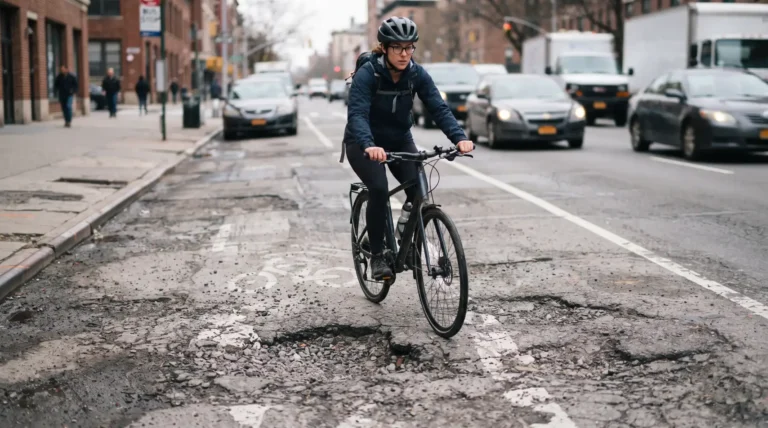
Potholes, damaged pavement, poor lighting, and missing bike infrastructure can contribute to serious falls.
Door Accidents
A driver or passenger opening a vehicle door into the path of a cyclist or scooter rider can cause a dangerous collision.
Speed Differences
E-bikes and electric scooters can travel faster than traditional bicycles, which may affect reaction time and collision severity.
How Lawyers Evaluate Different Accident Claims
Although every accident is different, injury attorneys typically examine similar issues when evaluating a claim.
The investigation may include reviewing:
- Accident circumstances
- Vehicle classifications
- Insurance policies
- Medical documentation
- Evidence of negligence
- Long-term injury consequences
For scooter and e-bike accidents, attorneys may also examine whether defective equipment, rental companies, or maintenance issues contributed to the crash.
A thorough investigation can help identify all responsible parties and prevent important evidence from being overlooked.
Compensation Available After a Bicycle, E-Bike, or Scooter Accident
An injured rider may be entitled to compensation for damages caused by another party’s negligence.
Possible damages may include:
Medical Expenses
This may include emergency treatment, hospital bills, surgeries, rehabilitation, medication, and future medical care.
Lost Income
Victims who cannot work because of their injuries may seek compensation for lost wages and reduced earning ability.
Property Damage
Compensation may cover damage to bicycles, e-bikes, scooters, protective equipment, and personal belongings.
Pain and Suffering
Serious injuries may also justify compensation for physical pain, emotional distress, and reduced quality of life.
The amount of compensation depends on factors such as injury severity, available insurance coverage, liability evidence, and the long-term impact of the accident.

How to Protect Your Rights After a Scooter, E-Bike, or Bicycle Crash
After an accident, injured riders should focus on protecting their health and preserving evidence.
Important steps may include:
- Seeking medical attention
- Reporting the accident when appropriate
- Taking photographs of the scene
- Collecting witness information
- Preserving the bicycle, scooter, or e-bike
- Avoiding statements that could be interpreted as admitting fault
- Keeping records of medical treatment and expenses
Insurance companies often begin evaluating claims quickly. Before accepting a settlement offer, injured riders should understand whether it fully covers their current and future losses.
Conclusion
Electric scooter, e-bike, and bicycle accident claims may appear similar, but important differences can affect how liability is determined and how compensation is pursued.
Traditional bicycle claims often focus on driver negligence and roadway safety issues. E-bike claims may involve additional questions about classification, speed, and equipment. Electric scooter claims may involve rental companies, maintenance issues, or defective products.
Regardless of the vehicle involved, injured riders deserve a careful investigation into what caused the accident and who may be responsible. Understanding these differences can help accident victims make informed decisions while seeking compensation for their injuries.