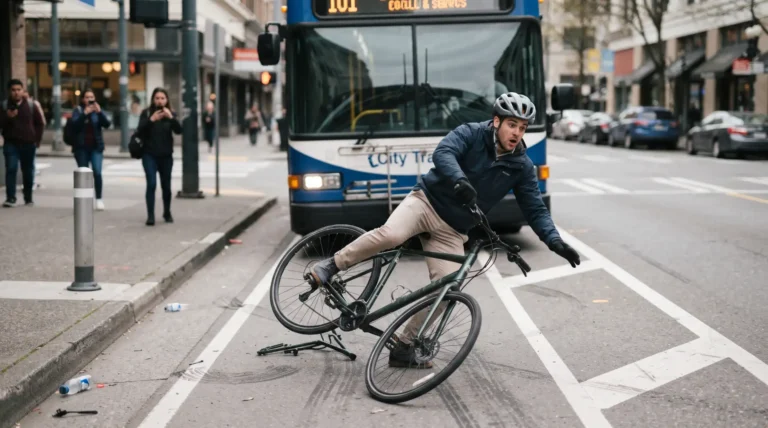
For many cyclists injured in a collision, one of the biggest challenges is proving exactly what happened. Bicycle accidents often occur within only a few seconds, leaving injured riders to deal with conflicting stories from drivers, witnesses, and insurance companies. A driver may claim that a cyclist was riding unpredictably, while the cyclist may know that the driver failed to yield, entered a bike lane, or ignored traffic rules.
As bicycle commuting and recreational cycling continue to grow throughout the United States, more riders are using helmet cameras to document their trips. These small cameras can capture valuable footage of road conditions, vehicle movements, traffic signals, and the moments leading up to a crash.
Helmet-camera footage can be one of the strongest forms of evidence in a bicycle accident claim because it provides an objective record of events. Instead of relying only on statements from people involved in the collision, investigators and attorneys may be able to review actual video showing what occurred.
However, while helmet-camera footage can significantly strengthen a claim, it does not automatically prove negligence by itself. The strength of the evidence depends on what the video shows, whether it is properly preserved, and how it supports other accident evidence.
Why Video Evidence Matters After a Bicycle Accident
Bicycle accidents frequently involve disputes over who was responsible. Because cyclists have limited protection compared with drivers inside enclosed vehicles, crashes can result in serious injuries even when the impact appears minor.
Insurance companies often investigate bicycle accident claims carefully because determining fault directly affects whether they must pay compensation. In some cases, insurers may argue that the cyclist contributed to the collision or that the driver did not have enough time to avoid the crash.
Helmet-camera footage can help clarify important details that may otherwise be difficult to prove. A recording may show whether a vehicle entered a bicycle lane, whether a driver failed to stop at an intersection, whether a motorist was distracted, or whether dangerous road conditions contributed to the crash.
For example, imagine a cyclist traveling through an intersection with the right of way. A vehicle suddenly turns left in front of the bicycle, causing a collision. Without video evidence, the driver may argue that the cyclist was traveling too fast or entered the intersection unexpectedly. A helmet camera may reveal that the cyclist was visible, following traffic rules, and that the driver failed to yield.
This type of evidence can help establish a clearer picture of liability.
What Can Helmet-Camera Footage Show in a Bicycle Accident Case?
Helmet cameras are designed to capture the rider’s perspective, which can be especially valuable when investigating crashes involving vehicles.
In many bicycle accident claims, video footage can help document the actions of drivers before a collision. This may include a vehicle drifting into a bicycle lane, making an unsafe turn, speeding through an intersection, or passing a cyclist too closely.
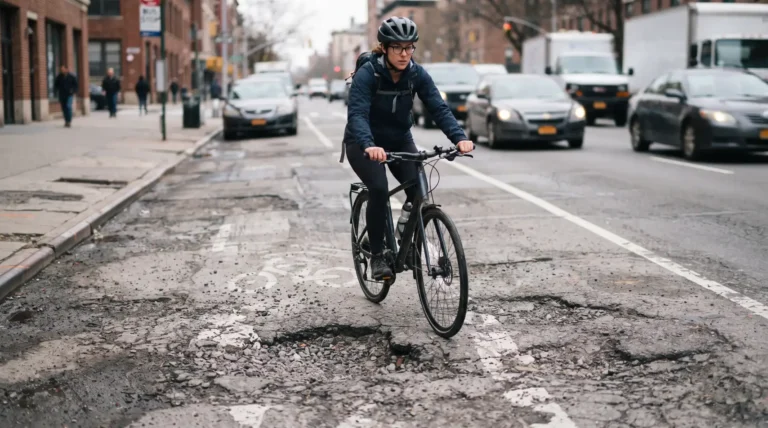
The footage may also capture important environmental factors. Road hazards, poor visibility, damaged pavement, construction areas, and unclear traffic markings can all influence how an accident occurred.
Even when the camera does not record the exact moment of impact, the footage before and after the crash may still provide important information. A recording showing a vehicle approaching at high speed, failing to maintain distance, or driving aggressively may help support a negligence claim.
Helmet Cameras and Driver Negligence Claims
To succeed in a bicycle accident claim, an injured cyclist generally needs to show that another party acted negligently. This usually means proving that the person had a responsibility to act safely, failed to do so, and caused injuries or damages.
Helmet-camera footage can support this process by showing unsafe behavior directly.
A common example involves drivers failing to yield. Intersections are some of the most dangerous areas for cyclists because vehicles and bicycles frequently cross paths. A helmet camera may capture a driver running a red light, ignoring a stop sign, or turning into a cyclist’s path.
Another common situation involves unsafe passing. Drivers are expected to provide cyclists with enough space when passing. Video footage may show whether a motorist passed too closely or forced a cyclist toward the edge of the road.
Dooring accidents are another situation where helmet cameras may provide important evidence. A cyclist traveling beside parked vehicles may have little time to react when a driver or passenger suddenly opens a door into the bicycle path. A camera recording can show how quickly the event occurred and whether the vehicle occupant created a dangerous situation.
Can Helmet Footage Help With Hit-and-Run Bicycle Accidents?
Hit-and-run bicycle accidents can be especially difficult because the injured cyclist may not know the identity of the driver responsible.
Helmet-camera footage can sometimes provide information that helps identify a fleeing vehicle. Depending on the quality and angle of the recording, the video may capture details such as the vehicle’s license plate, color, make, model, or direction of travel.
Even partial footage can be useful. A recording showing only part of a vehicle or the moments before impact may help investigators combine information from witnesses, traffic cameras, and other evidence.
For cyclists involved in a hit-and-run collision, preserving the original video file is extremely important. Editing, compressing, or modifying footage may create questions about whether the evidence has been changed.
You can learn more about bicycle accident evidence and documentation through resources provided by the National Highway Traffic Safety Administration (NHTSA):
How Insurance Companies Evaluate Helmet-Camera Videos
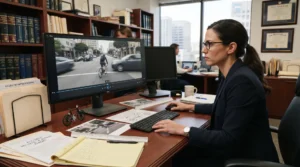
Insurance companies may view helmet-camera footage as valuable evidence, but they will typically analyze the entire recording carefully.
An insurer may look at whether the cyclist was following traffic laws, whether the bicycle was properly equipped, whether the rider reacted appropriately, and whether any other factors contributed to the crash.
For this reason, cyclists should avoid sending video footage to an insurance company without understanding how it may affect their claim. A recording that proves one part of the accident may also contain information that insurers attempt to use against the injured rider.
A bicycle accident attorney can review the footage and determine how it fits into the overall claim strategy. The goal is not simply to provide a video but to explain how that evidence supports liability and damages.
Preserving Helmet-Camera Evidence After a Crash
After a bicycle accident, protecting digital evidence should be a priority. Many action cameras automatically overwrite older recordings when storage space becomes full. Waiting too long to save the footage could result in losing valuable evidence.
Cyclists should preserve the original recording immediately after a crash. The file should remain unchanged, and copies should be stored in secure locations.
It is also helpful to document information about the recording, including when and where it was captured, what camera was used, and whether audio was included.
Helmet footage is usually strongest when combined with other evidence. Medical records, police reports, witness statements, photographs of the accident scene, and bicycle damage documentation can all help create a complete picture of what happened.
What If the Helmet Camera Did Not Capture the Crash?
Many cyclists assume that footage is only useful if it clearly shows the exact moment of impact. However, partial recordings can still provide important evidence.
A video may show the traffic conditions before the collision, the behavior of nearby vehicles, or the actions of a driver immediately afterward.
For example, a cyclist’s camera may not capture the exact impact because the rider falls or the camera shifts. However, the footage may still show that the cyclist was traveling properly, that the vehicle approached from behind, or that the driver failed to take reasonable precautions.
Attorneys and accident investigators often examine the entire sequence of events rather than focusing only on the moment of impact.
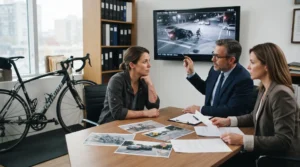
Can Helmet-Camera Footage Increase Bicycle Accident Settlement Value?
Evidence quality can influence how insurance companies evaluate bicycle accident claims. When liability is disputed, strong video evidence may make it more difficult for insurers to deny responsibility.
A clear recording may help support compensation for losses such as medical expenses, lost income, property damage, and pain and suffering.
However, settlement value depends on many factors, including the severity of injuries, available insurance coverage, long-term medical needs, and the strength of the overall evidence.
Helmet-camera footage is one important piece of the claim, but it works best as part of a broader legal strategy.
How a Bicycle Accident Lawyer Can Help With Helmet Footage
Although helmet-camera recordings can be powerful evidence, knowing how to use that evidence effectively is important.
A bicycle accident lawyer can review the footage, identify important details, and determine whether additional evidence is needed. They may work with accident reconstruction professionals, communicate with insurance companies, and help calculate the full value of an injury claim.
An attorney can also investigate whether other parties may share responsibility. Depending on the circumstances, liability may involve a negligent driver, vehicle manufacturer, bicycle manufacturer, government entity responsible for unsafe roads, or another party.
Final Thoughts
Helmet-camera footage can play a major role in proving a bicycle accident claim. By providing a real-time view of what happened, video evidence can help establish fault, challenge inaccurate statements, and strengthen negotiations with insurance companies.
However, video alone does not guarantee compensation. Successful bicycle accident claims often require combining footage with medical records, accident reports, witness testimony, and professional legal analysis.
For cyclists injured in a crash, preserving helmet-camera footage and understanding how it can support a claim may be an important step toward protecting their legal rights and seeking fair compensation.