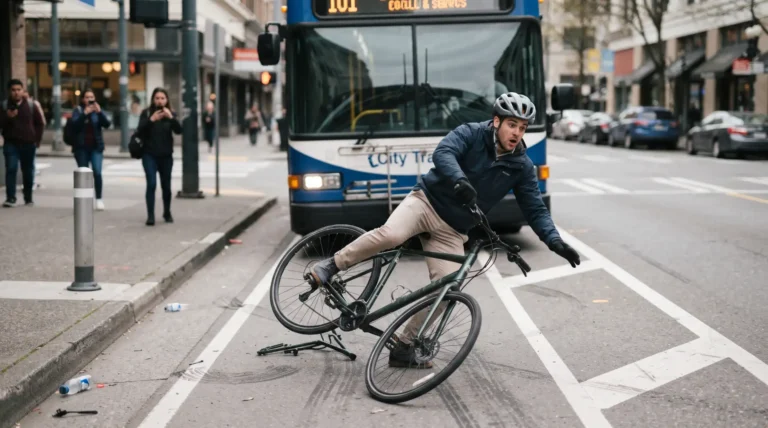
Delivery cyclists have become a common sight in cities across the United States. With the rise of food and package delivery apps such as Uber Eats, DoorDash, Grubhub, and Amazon Flex, more cyclists are navigating busy streets while carrying goods for these companies. Unfortunately, the increase in delivery activity has led to more accidents. When a delivery cyclist is involved in a crash, determining responsibility can be complex. Depending on the circumstances, liability may involve the cyclist, a driver, the delivery platform, or even municipal authorities. Understanding who might be responsible and what steps to take after an accident is crucial for anyone injured while making deliveries.
Why Delivery Cyclist Accidents Are Different
Delivery cyclists face unique risks compared to casual riders. Time pressure to complete deliveries can push cyclists to take risks such as weaving through traffic or running red lights. Carrying backpacks or packages can affect balance, making it harder to react quickly. Urban traffic adds another layer of danger, as congested streets, busy intersections, and distracted drivers increase the likelihood of collisions. Additionally, insurance coverage is often limited because many delivery cyclists are considered independent contractors, complicating the process of filing claims if an accident occurs. These factors make liability in delivery cyclist accidents more complicated than in standard bicycle accidents.
Who May Be Responsible
Several parties may bear responsibility depending on how an accident occurs. Motorists are often the primary cause of delivery cyclist accidents. Drivers who fail to yield, open car doors into bike lanes, make unsafe turns, or drive while distracted or intoxicated may be held liable. In these situations, cyclists may file claims to recover damages for injuries, medical bills, and lost income.
At the same time, cyclists themselves may share some liability if their actions contributed to the crash. Riding against traffic, ignoring traffic signals, or failing to use proper lights or reflective gear can reduce potential compensation under comparative negligence rules in many states. Even when a cyclist shares fault, claims are often still viable, although damages may be adjusted proportionally.
Delivery companies may also be responsible under certain conditions. If the cyclist is classified as an employee, the company could be liable for accidents occurring during work hours. Companies might also face legal claims if they fail to train riders adequately, neglect safety protocols, or misrepresent insurance coverage. Some delivery platforms provide limited insurance coverage while the cyclist is on a delivery, but understanding the scope and limitations of that coverage is critical.
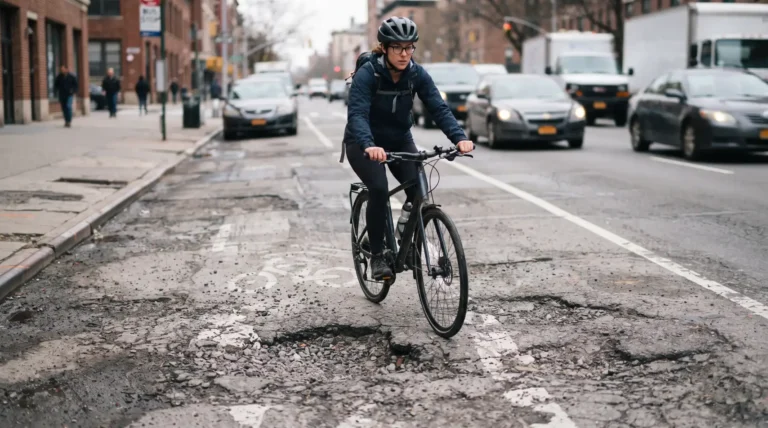
Municipalities or contractors may share liability if hazardous road conditions, such as potholes, uneven pavement, or poorly marked bike lanes, contribute to an accident. In such cases, the injured cyclist might have legal grounds to pursue a claim against the responsible government entity or contractor.
Common Accident Scenarios
Consider a delivery cyclist traveling along a bike lane when a car door suddenly opens. The cyclist swerves to avoid the door but hits the curb and suffers a wrist fracture. In this scenario, the driver who opened the door is primarily at fault, and their auto insurance may cover medical costs. A lawyer can help the cyclist file a claim for additional damages such as lost wages or long-term injury expenses.
In another scenario, a delivery cyclist may collide with a pedestrian or another cyclist. Determining liability in these situations often requires careful review of traffic laws and evidence from the scene, including photos, witness statements, and video footage.
Sometimes, accidents occur due to unsafe road conditions. A cyclist may be injured when hitting a pothole or cracked pavement. Municipal authorities or contractors responsible for maintaining the roadway could be partially liable if the hazard contributed to the accident.
 Steps to Take After an Accident
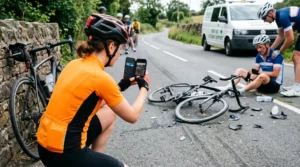
After a delivery cyclist accident, seeking medical attention is the first priority. Even seemingly minor injuries can have serious consequences if untreated, and medical documentation is essential for legal claims. Documenting the scene is equally important. Photographs of vehicles, bikes, road conditions, traffic signals, and any visible injuries can provide critical evidence. Gathering contact information from witnesses is also highly recommended.
Reporting the accident to the police helps establish an official record, which may be necessary for insurance and legal claims. Delivery cyclists should also notify their platform about the incident as soon as possible and review any insurance coverage the company may provide. Consulting with a bicycle accident lawyer can help determine responsibility, gather evidence, and guide the injured cyclist through filing claims against drivers, delivery companies, or municipalities.
Insurance Considerations
Insurance coverage for delivery cyclists is often complicated. Personal auto insurance policies usually do not cover injuries sustained while working for a delivery platform. Some delivery companies provide limited liability or accident insurance while a rider is on duty, but coverage may vary widely. Health insurance may cover medical expenses but typically does not compensate for lost wages or pain and suffering. Cyclists who want extra protection may consider supplemental policies or umbrella insurance to cover gaps in liability coverage. Understanding insurance options and limitations is crucial before pursuing a claim.

Legal Rights and Recoverable Damages
Delivery cyclists involved in accidents may recover damages for medical expenses, lost income, property damage, and pain and suffering. In severe cases, claims may include compensation for long-term disability. The degree of responsibility shared by each party can affect recovery, but comparative negligence rules often allow cyclists to pursue claims even if they bear some fault. Working with an experienced bicycle accident lawyer can help ensure all potential sources of liability are considered, including drivers, delivery platforms, and municipalities.
Safety Tips for Delivery Cyclists
While accidents cannot always be prevented, certain precautions can reduce risk. Wearing a helmet and reflective clothing, using lights and reflectors at night, and following traffic laws improve safety and reduce potential liability. Planning routes carefully to avoid high-risk intersections and maintaining proper weight distribution when carrying deliveries are also important. Staying informed about insurance coverage and legal rights can help delivery cyclists respond effectively if an accident occurs.
Conclusion
Delivery cyclist accidents involve multiple parties, from drivers to delivery companies to municipal authorities. Determining responsibility requires careful investigation and understanding of traffic and liability laws in the United States. Injured cyclists should seek medical attention, document the accident, notify relevant parties, and consult legal counsel to protect their rights. By understanding liability, maintaining safety precautions, and knowing legal options, delivery cyclists can navigate both the streets and the legal aftermath more effectively.
Call (888) 488-1391 or complete the “Do I Have A Case?” form to schedule a free initial consultation.