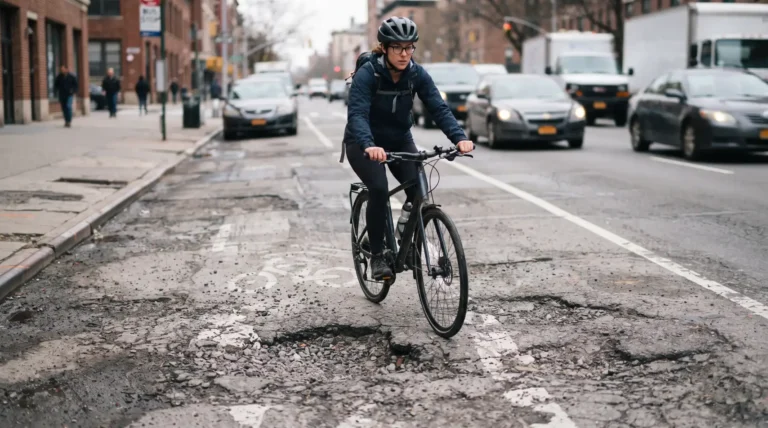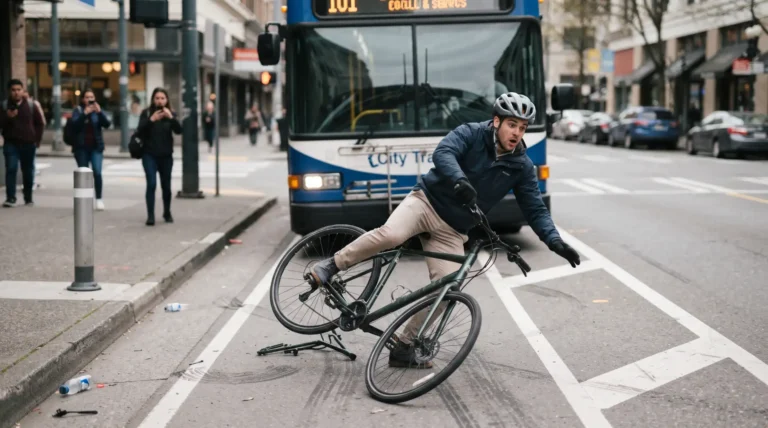
Electric bikes have become increasingly popular across the United States. Riders use them for commuting, recreation, food delivery work, and short-distance transportation. While e-bikes offer convenience and environmental benefits, their growing presence has also led to more accidents involving pedestrians.
Pedestrian vs e-bike collisions have become a growing safety concern in cities, suburbs, parks, and shared-use pathways. Unlike traditional bicycles, many e-bikes can travel at higher speeds and accelerate more quickly. This combination may increase the risk of serious injuries when a collision occurs.
Understanding how these accidents happen, who may be responsible, and what factors can influence liability may help injured individuals better understand their options after a crash.
Why Pedestrian vs E-Bike Collisions Are Increasing
The rapid growth of e-bike ownership has changed the way people travel. Many communities have expanded bike lanes and shared pathways to accommodate riders. However, increased traffic involving both pedestrians and e-bike users has created new safety challenges.
Several factors contribute to the rise in pedestrian and e-bike accidents:
- Increased e-bike usage nationwide
- Crowded sidewalks and shared pathways
- Higher speeds compared to traditional bicycles
- Distracted riding or walking
- Confusion regarding right-of-way rules
- Limited awareness of local e-bike regulations
As more Americans adopt micromobility options, interactions between pedestrians and e-bike riders may continue to increase.

Where These Accidents Commonly Occur
Pedestrian and e-bike collisions can happen in various locations.
Crosswalks remain one of the most common places where these incidents occur. A rider may fail to yield to a pedestrian crossing legally, or a pedestrian may unexpectedly enter the rider’s path.
Shared-use trails and recreational paths also present risks. Walkers, runners, cyclists, and e-bike riders often use the same space, creating opportunities for conflicts when speeds differ significantly.
Busy downtown areas can create additional hazards. Crowded sidewalks, outdoor dining spaces, and heavy foot traffic may make it difficult for riders and pedestrians to react quickly.
Parking lots and shopping centers also experience frequent incidents because pedestrians and riders are often moving in different directions while navigating vehicles and obstacles.
Common Causes of Pedestrian vs E-Bike Collisions
Many factors may contribute to these accidents.
Excessive Speed
Speed is often a significant factor in e-bike collisions. Riders traveling too fast for conditions may have less time to react when pedestrians enter their path.
Some e-bikes are capable of reaching speeds that exceed those of traditional bicycles. Even when operating legally, higher speeds may increase stopping distance and injury severity.
Distracted Riding
Using a mobile phone, adjusting navigation apps, or wearing headphones may reduce a rider’s ability to notice nearby pedestrians.
Distractions can lead to delayed reactions and increase the likelihood of a collision.
Distracted Walking
Pedestrians may also contribute to accidents when using smartphones, listening to music, or failing to pay attention to surrounding traffic.
A pedestrian who suddenly changes direction without observing nearby riders may create a dangerous situation.
Failure to Yield
Many pedestrian and e-bike accidents occur because one party fails to yield the right of way.
Local laws often determine who has priority in specific situations. Crosswalks, intersections, and shared pathways may have different rules depending on the location.
Riding in Prohibited Areas
Some jurisdictions restrict where e-bikes may operate. Riders who use sidewalks or pedestrian-only zones may increase the risk of collisions.
Operating an e-bike in a prohibited area may become an important factor when determining liability.

Common Injuries in Pedestrian vs E-Bike Collisions
Although e-bikes are smaller than motor vehicles, they may still cause significant injuries.
Pedestrians often have little protection during a collision and may be vulnerable to serious harm.
Common injuries include:
Traumatic brain injuries may occur when a pedestrian strikes the ground after impact.
Broken bones frequently affect the wrists, arms, hips, and legs.
Facial injuries may result from direct contact with the e-bike or pavement.
Spinal injuries can occur when a person falls awkwardly after being struck.
Soft tissue injuries such as sprains, strains, and bruising are also common.
Older adults may face a greater risk of severe complications due to reduced bone density and other age-related factors.
Determining Liability in Pedestrian vs E-Bike Collisions
Liability depends on the specific facts of each accident.
Several parties may potentially share responsibility.
The E-Bike Rider
An e-bike rider may be responsible if their actions contributed to the crash.
Examples include:
- Riding at unsafe speeds
- Ignoring traffic signals
- Failing to yield
- Operating while distracted
- Riding in prohibited pedestrian areas
Evidence such as witness statements, surveillance footage, and accident reports may help establish what occurred.
The Pedestrian
Pedestrians also have responsibilities under traffic and safety laws.
A pedestrian may share fault if they:
- Enter traffic unexpectedly
- Ignore crossing signals
- Walk while distracted
- Move into a designated bicycle lane without caution
Each situation requires a careful review of the facts.
Property Owners
In some cases, hazardous conditions on private property may contribute to a collision.
Poor lighting, obstructed pathways, or inadequate maintenance could become relevant factors during an investigation.
Government Entities
Unsafe roadway design, missing signage, or poorly maintained pathways may occasionally contribute to accidents.
Claims involving government entities often involve special procedures and filing deadlines.
How Comparative Negligence May Affect a Claim
Many states follow comparative negligence rules.
Under these systems, more than one party may share responsibility for an accident.
For example, an e-bike rider may have been traveling too fast while a pedestrian was looking at a phone and stepped into a bike lane without checking for traffic.
An investigation may determine that both individuals contributed to the collision.
The percentage of fault assigned to each party may affect how damages are evaluated under applicable state law.
Because rules vary by state, legal outcomes often depend on local statutes and court decisions.
Evidence That May Help Establish Liability
Gathering evidence early may help clarify how an accident occurred.
Useful evidence often includes:
Photographs of the accident scene may document roadway conditions, signage, and visibility.
Surveillance footage from nearby businesses may capture the collision.
Witness statements can provide independent observations.
Medical records may connect injuries to the accident.
Police reports or incident reports may contain important details about the event.
Electronic data from certain e-bikes may also provide information regarding speed and operation before the collision.

Insurance Issues in Pedestrian vs E-Bike Accidents
Insurance coverage can vary significantly.
Unlike motor vehicles, e-bikes may not always be covered under traditional auto insurance policies.
Potential sources of coverage may include:
Homeowners insurance policies in some situations.
Renters insurance policies.
Personal umbrella policies.
Commercial insurance coverage for delivery riders or business operators.
Business liability insurance when an accident involves a company-owned e-bike.
Coverage questions often depend on the policy language and circumstances surrounding the collision.
Safety Tips for Pedestrians
Pedestrians may reduce accident risks by remaining alert and aware of their surroundings.
Looking both ways before crossing pathways may help identify approaching riders.
Avoiding smartphone distractions while walking may improve reaction time.
Using designated crossing areas may reduce conflicts with bicycles and e-bikes.
Awareness of local bike lane markings may also help pedestrians avoid unexpected encounters.
Safety Tips for E-Bike Riders
Riders may help prevent accidents by operating responsibly.
Following local traffic laws is essential.
Reducing speed in crowded areas may improve safety.
Using lights and reflective equipment may increase visibility.
Yielding when required and maintaining awareness of pedestrians can help reduce collision risks.
Responsible riding benefits everyone who shares roads and pathways.
The Future of E-Bike and Pedestrian Safety
As e-bike adoption continues to grow, communities across the United States are exploring ways to improve safety.
Many cities are expanding protected bike lanes and developing clearer regulations regarding where e-bikes may operate.
Educational campaigns, infrastructure improvements, and increased awareness may help reduce conflicts between riders and pedestrians.
The ongoing growth of micromobility transportation means that pedestrian and e-bike interactions may remain an important public safety issue for years to come.
Final Thoughts
Pedestrian vs e-bike collisions can result in serious injuries and complex liability questions. Factors such as speed, right-of-way rules, rider conduct, pedestrian behavior, and local regulations may all influence how responsibility is determined.
As e-bike usage continues to increase throughout the United States, understanding the common causes of these accidents and the legal issues involved may help both pedestrians and riders navigate the challenges associated with modern transportation.
For additional safety information regarding pedestrian and bicycle traffic, visit the National Highway Traffic Safety Administration at https://www.nhtsa.gov.